Comparing Tyre Pyrolysis and Plastic Pyrolysis Processes: Key Differences and Similarities

In recent years, the growing concerns over waste management and environmental pollution have pushed industries to explore innovative solutions. Among these, pyrolysis machine technology has emerged as a sustainable method to convert waste materials into valuable energy resources. Both tyres and plastics, notorious for their environmental impact, can be effectively treated using pyrolysis. Understanding the tyre pyrolysis process and plastic pyrolysis process is essential for industries aiming to optimize waste recycling and fuel recovery.

Understanding the Basics of Pyrolysis

Pyrolysis is a thermochemical decomposition process that occurs in the absence of oxygen. It is widely used to convert complex waste materials into simpler compounds, mainly oil, gas, and carbon black. Both tyre and plastic pyrolysis processes follow this fundamental principle, but the operational conditions and the resulting products vary. A reliable pyrolysis machine ensures consistent temperature control and efficient product separation, which is crucial for maximizing yield.
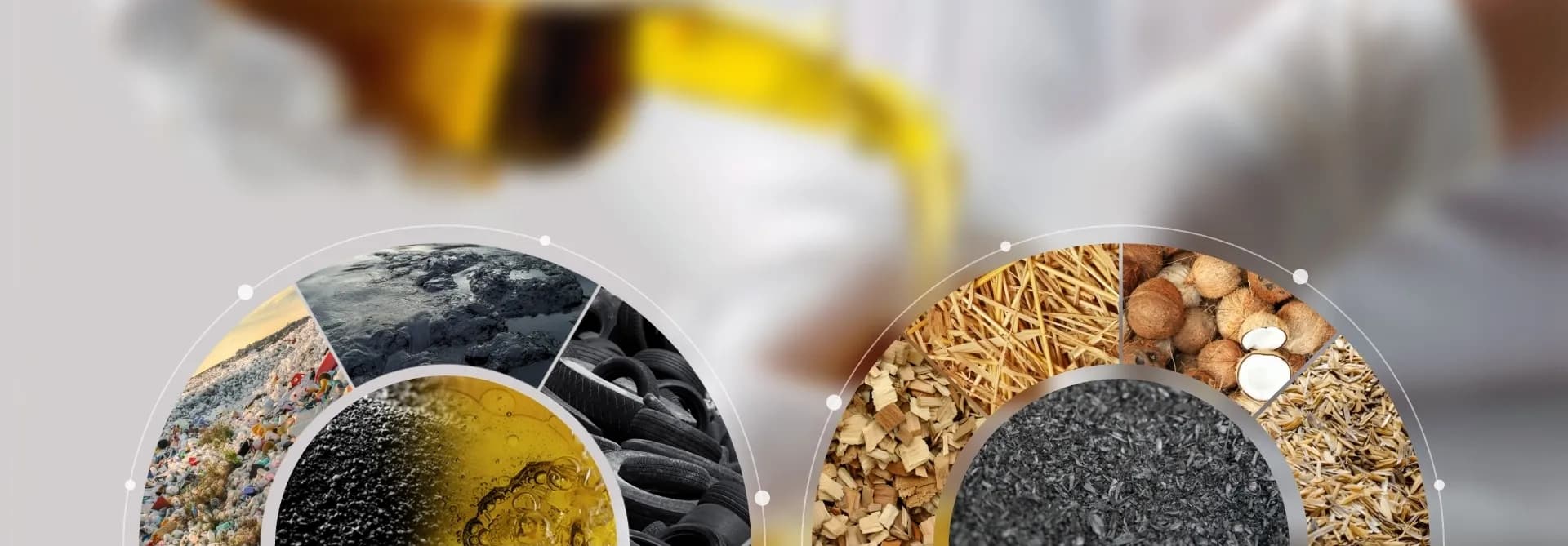
Pyrolysis Technology Turns Waste into Value

Feedstock Composition and Its Impact

The primary difference between tyre and plastic pyrolysis lies in the feedstock composition. Tyres contain natural rubber, synthetic rubber, carbon black, steel, and other additives. This composition results in a higher carbon content and requires careful pre-treatment, such as shredding and removal of metal components, before entering the tyre pyrolysis process. Plastics, on the other hand, are mainly composed of hydrocarbons with minimal inorganic materials. This simpler composition allows the plastic pyrolysis process to operate at relatively lower temperatures and produce higher yields of liquid fuel. Understanding feedstock differences is essential for operators to select the appropriate pyrolysis technology.

Process Parameters and Operational Conditions

While both pyrolysis processes share the same chemical principle, the operational parameters differ significantly. Tyre pyrolysis typically requires higher temperatures ranging from 400°C to 500°C due to the complex rubber structure and the presence of carbon black. Additionally, it produces solid residues, which are valuable as carbon black. Plastic pyrolysis process, conversely, operates efficiently at 350°C to 450°C and produces higher percentages of pyrolysis oil with minimal solid waste. A high-quality pyrolysis machine can adapt to these parameters, allowing operators to switch between feedstocks without major modifications.

Environmental and Economic Considerations

Both processes offer environmental benefits by reducing landfill waste and minimizing greenhouse gas emissions. However, tyre pyrolysis generates more solid residues, which can be reused or sold as raw materials, providing additional revenue streams. Plastic pyrolysis mainly yields liquid fuels that can be refined into diesel, gasoline, or other petrochemical products. Companies like Beston Group Co., Ltd. have pioneered solutions that optimize both tyre and plastic pyrolysis systems, ensuring that operators achieve maximum efficiency while complying with environmental regulations.

Technological Innovations and Integration

Recent technological advancements have made it possible to integrate tyre and plastic pyrolysis processes within the same plant. Modular pyrolysis machines allow for flexible feedstock input and automated control systems that adjust temperature, pressure, and condensation parameters according to material type. Such innovations reduce operational costs and increase energy recovery rates. Furthermore, integrated systems enable continuous production cycles, enhancing profitability and sustainability simultaneously.

Conclusion

In summary, tyre and plastic pyrolysis processes share the common goal of transforming waste into valuable energy resources, but they differ in feedstock characteristics, operational parameters, and product distribution. A well-designed pyrolysis machine can efficiently handle both types of waste, ensuring environmental compliance and economic returns. As industries continue to adopt sustainable waste management practices, understanding these differences becomes crucial. Companies like Beston Group Co., Ltd. are leading the way in providing reliable, high-performance pyrolysis solutions that meet the evolving needs of the market.

Risk Mitigation in Feedstock Sourcing for Continuous Pyrolysis Projects

The success of continuous pyrolysis projects largely depends on the reliable and efficient sourcing of feedstock. A well-executed strategy for feedstock acquisition mitigates the risks associated with fluctuating supply, quality inconsistencies, and operational disruptions, which could otherwise compromise the performance of the pyrolysis unit. Understanding the unique challenges and leveraging proactive risk management approaches can ensure long-term sustainability for operations, particularly for high-demand setups such as plastic pyrolysis plants and fully continuous tyre pyrolysis plants.

Identifying Feedstock Variability

One of the primary risks in feedstock sourcing is variability, both in quantity and quality. The feedstock used in a pyrolysis unit, whether it’s waste plastic, tires, or other organic materials, often undergoes significant fluctuations due to market conditions, seasonal factors, and regional availability. For example, the consistency of rubber-derived feedstock in a fully continuous tyre pyrolysis plant may vary based on supply chain disruptions or changes in tire recycling practices. Similarly, plastic waste availability is influenced by local recycling rates, environmental regulations, and waste management infrastructure.

The risk of supply interruptions can be minimized through strategic procurement planning. Long-term contracts with suppliers, diversified sourcing from multiple regions, and creating inventory buffers can help stabilize the flow of materials. Additionally, establishing relationships with suppliers who adhere to quality standards and can provide traceability for feedstock is essential to ensure that the material is free from contaminants, which could negatively impact the performance and efficiency of the pyrolysis process.

Assessing Feedstock Quality

Quality inconsistencies in feedstock are another key concern. Variations in the chemical composition, moisture content, or the presence of contaminants can significantly impact the efficiency of the pyrolysis unit. For instance, higher moisture content in tires or plastic materials can lead to increased energy consumption, lower yield rates, and higher operational costs. Monitoring and testing incoming materials before processing is therefore critical. Implementing a stringent quality control process that includes sampling, analysis, and routine testing for impurities will help in maintaining process efficiency.

For a plastic pyrolysis plant, a feedstock’s specific characteristics, such as its polymer composition and contaminants, must be evaluated. A comprehensive quality assurance program will enable operators to assess potential feedstock issues and take corrective action before the materials enter the pyrolysis unit.

Geographic and Political Risks

Geographical factors play a significant role in feedstock sourcing. The location of feedstock providers relative to the tdu unit must be considered to avoid transportation delays, which can disrupt production schedules. For instance, procuring feedstock from distant or unstable regions may lead to supply chain delays due to logistical challenges or political instability.

This can be mitigated by strategically locating plants in proximity to consistent and reliable feedstock sources. Additionally, global and regional trade agreements, tariffs, and environmental regulations can also influence feedstock availability. A careful assessment of geopolitical factors, including the introduction of carbon taxes or waste management legislation, can help mitigate risks and anticipate supply shortages.

Optimizing the Feedstock Supply Chain

Optimizing the supply chain involves enhancing communication with feedstock suppliers, tracking demand forecasts, and building a resilient logistics network. Collaborating with a diverse range of suppliers, including recycling facilities and waste management companies, can reduce dependency on any single feedstock source. This diversification can create a more flexible supply chain that can adapt to unexpected changes in the market.

A tdu unit, for example, might experience different feedstock challenges than a fully continuous tyre pyrolysis plant. By optimizing the supply chain for both the short- and long-term, it’s possible to create a more robust system that can adapt to the evolving feedstock landscape.

Conclusion

Feedstock sourcing is a critical component of the continuous pyrolysis process. A comprehensive risk mitigation strategy that includes diverse supplier networks, quality control, and an optimized supply chain is essential for ensuring consistent, high-quality feedstock availability. By addressing variability, quality, and geographic factors, operators can significantly reduce risks associated with feedstock sourcing, ensuring the efficient operation of plastic pyrolysis plants, fully continuous tyre pyrolysis plants, and other pyrolysis systems.