The demand for sustainable and renewable energy sources has grown steadily over the years, and wood charcoal stands out as a key player in this shift. Charcoal is used in various industries, from metallurgy to agriculture, due to its high energy content and environmental benefits. Understanding how wood charcoal is made and the role of the charcoal machine in this production process is essential for grasping its industrial significance.
The Process of Wood Charcoal Production
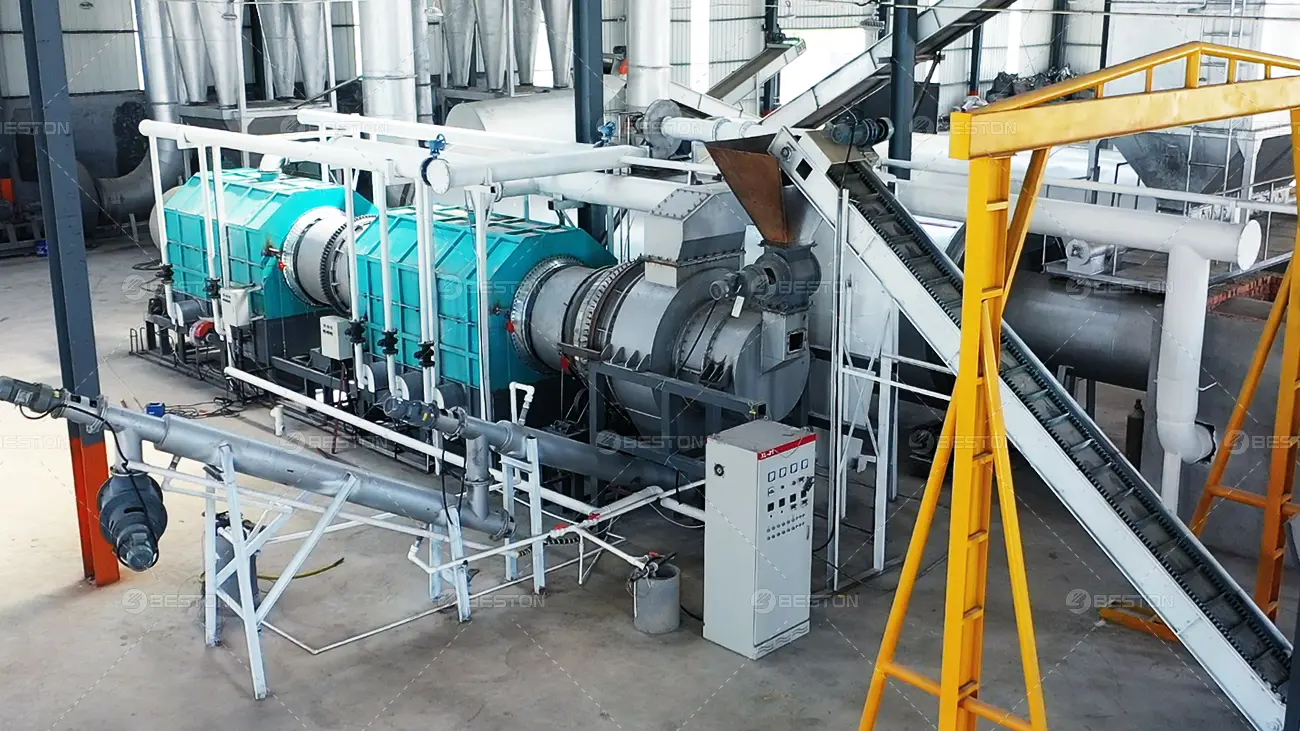
Wood charcoal is produced through a process known as pyrolysis, which involves the thermal decomposition of wood in the absence of oxygen. The process is carried out using a charcoal machine, which efficiently affects how is wood charcoal made by maintaining specific temperature and pressure conditions.
1. Wood Selection and Preparation
The first step in the charcoal-making process is the selection and preparation of wood. Hardwoods like oak, hickory, and birch are commonly used for charcoal production due to their dense structure and high carbon content. The wood is typically cut into smaller pieces or chunks, making it easier to feed into the charcoal machine. The moisture content of the wood is also reduced to ensure efficient pyrolysis.
2. Pyrolysis: Thermal Decomposition
Once the wood is prepared, it undergoes pyrolysis inside the charcoal machine. Pyrolysis takes place at high temperatures, usually between 400°C and 600°C. During this process, the wood is heated in a controlled environment where oxygen is excluded. The lack of oxygen prevents combustion and instead leads to the breakdown of the organic material into charcoal, volatile gases, and bio-oil.
The charcoal manufacturing plant plays a crucial role in regulating the temperature and ensuring consistent pyrolysis throughout the process. As the temperature rises, the volatile gases are released, leaving behind the solid carbon-rich residue known as charcoal. The efficiency of the charcoal machine determines the quality and yield of the final product.
3. Cooling and Collection of Charcoal
After pyrolysis, the charcoal must be cooled before it can be safely handled and stored. The cooling process is typically done inside the charcoal machine, where the temperature is gradually lowered to prevent the charcoal from igniting when exposed to air. Once cooled, the charcoal is collected, sorted, and packaged for distribution.
Industrial Applications of Wood Charcoal
Wood charcoal is a versatile product with numerous applications across various industries. Its high carbon content and slow-burning properties make it an ideal fuel for industrial processes. Additionally, the by-products of charcoal production, such as bio-oil and syngas, can be used for energy generation, adding further value to the process.
1. Metallurgical Industry
One of the primary applications of wood charcoal is in the metallurgical industry, where it is used as a reducing agent in the smelting of metals like iron and copper. Charcoal’s high carbon content makes it effective at reducing metal oxides to their pure metal form, contributing to the production of steel and other alloys. The use of wood charcoal in this industry dates back centuries, and it continues to play a vital role in modern metal production.
2. Agriculture
In agriculture, wood charcoal is utilized as biochar, a soil amendment that improves soil fertility and enhances crop yields. Biochar’s porous structure allows it to retain water and nutrients, making it a valuable tool in sustainable farming practices. Additionally, biochar helps sequester carbon in the soil, contributing to the reduction of greenhouse gas emissions.
3. Energy Generation
Wood charcoal is also used as a renewable energy source in power generation. The volatile gases produced during pyrolysis can be captured and used as a fuel source for heating or electricity generation. In some cases, the syngas generated during charcoal production is used to power the wood pyrolysis plant itself, creating a closed-loop energy system that reduces reliance on external power sources.
Advantages of Using a Charcoal Machine
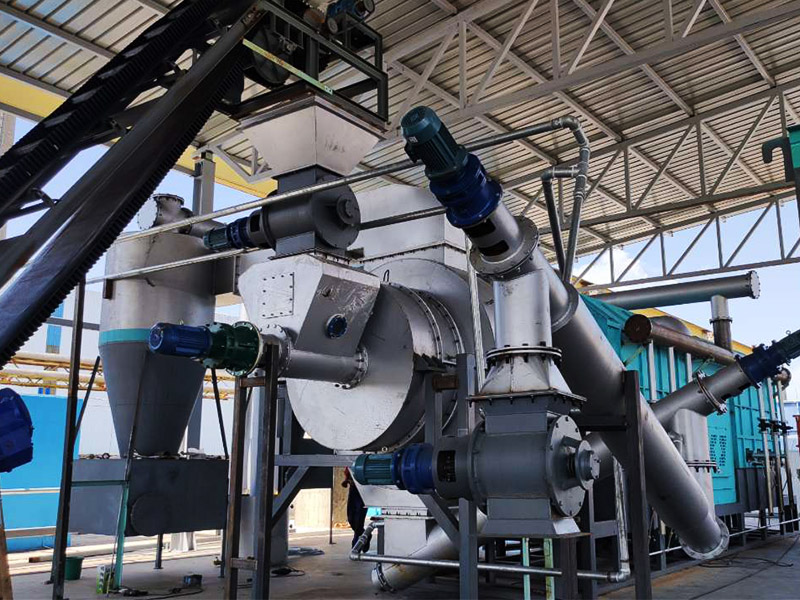
The charcoal machine is integral to efficient and sustainable charcoal production. Its ability to control the pyrolysis process ensures a high-quality product while maximizing yield and minimizing waste. Additionally, modern charcoal machines are designed with environmental considerations in mind, reducing the emission of harmful gases and pollutants.
1. Energy Efficiency
Charcoal machines are designed to be energy-efficient, using the by-products of pyrolysis, such as syngas, to fuel the system. This not only reduces the operational costs of the machine but also minimizes the overall environmental impact of charcoal production.
2. Consistent Quality
One of the key benefits of using a charcoal machine is the ability to produce consistent, high-quality charcoal. The machine’s precise temperature and pressure controls ensure that the wood undergoes uniform charcoal making process, resulting in charcoal with uniform carbon content and density.
3. Scalability
Charcoal machines are available in various sizes, making them suitable for both small-scale and large-scale production. This scalability allows businesses to adjust their production capacity based on market demand and resource availability.
Conclusion
The process of making wood charcoal is a complex but highly valuable one, with significant industrial applications. From metal production to agriculture, wood charcoal plays an essential role in numerous industries. The charcoal machine is at the heart of this process, ensuring efficiency, quality, and sustainability in production. As global demand for renewable energy and sustainable practices continues to rise, the role of wood charcoal and its production methods will remain vital in supporting various industries.