The Commercial Value of Charcoal Production from Palm Waste

The growing demand for sustainable and eco-friendly energy sources has positioned charcoal production from agricultural waste as a viable alternative to traditional methods. Among various organic materials, palm waste has emerged as a significant resource for producing high-quality charcoal, particularly from palm kernel shells. This shift toward utilizing palm waste offers several economic and environmental benefits, including waste reduction, energy production, and sustainable resource management. By harnessing the potential of advanced charcoal machines, businesses can optimize production processes, meet market demands, and drive profitability.

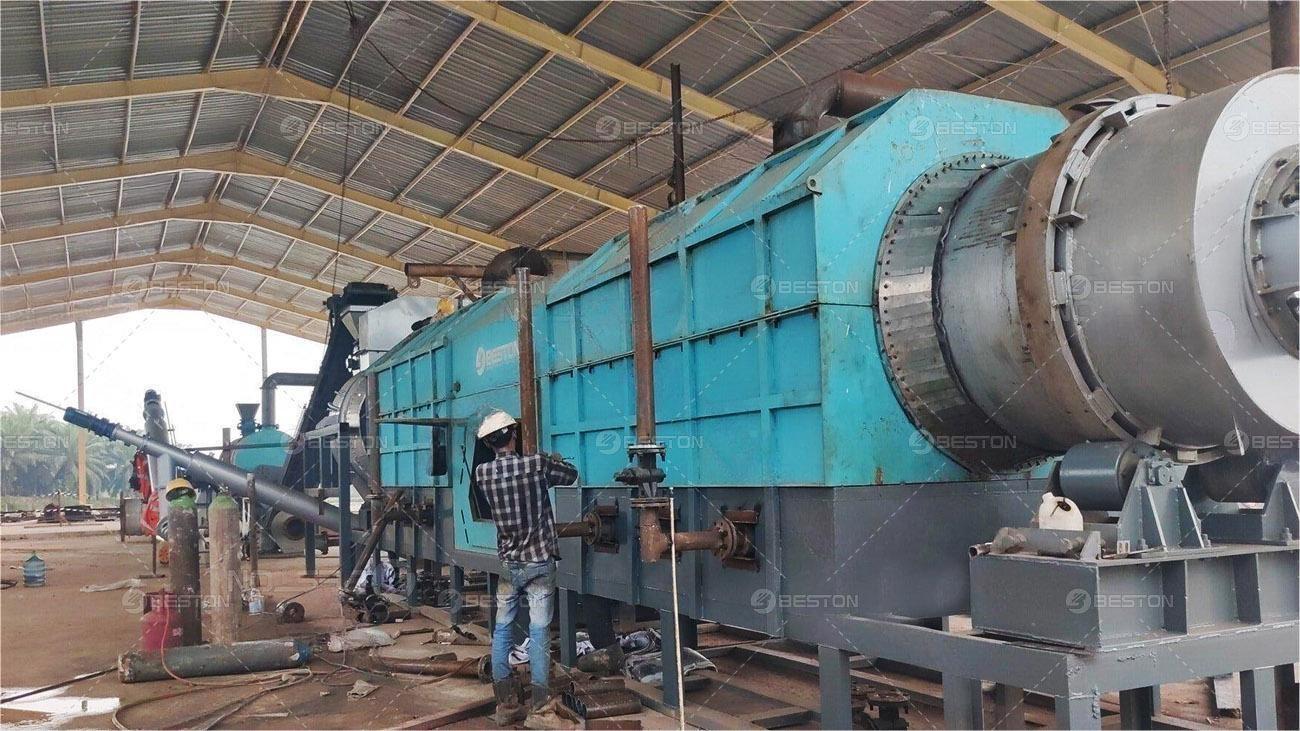
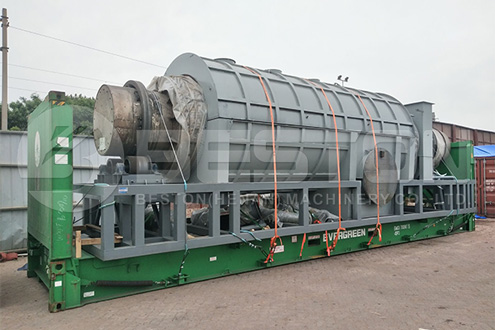
Palm Kernel Shell Charcoal Machine

Economic Benefits of Charcoal Production

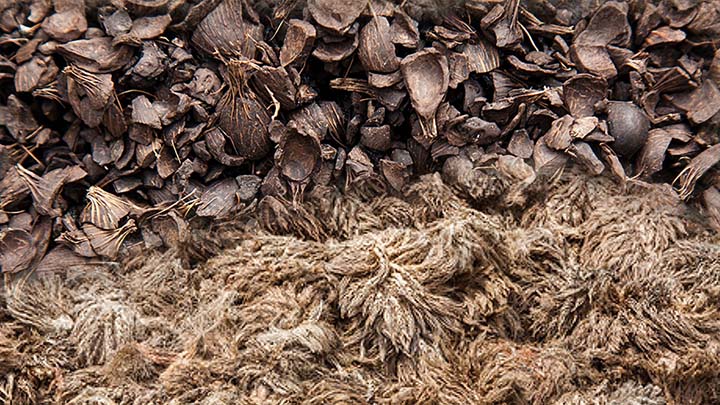
The palm industry, particularly in tropical regions, generates vast quantities of waste material, including palm kernel shells, which are typically discarded or left to decay. Converting these byproducts into valuable products like charcoal opens up new avenues for revenue generation. Charcoal made from palm kernel shells, for example, is highly regarded for its efficiency and sustainability, which makes it an attractive option for both domestic and international markets.

The process begins with the use of a specialized charcoal manufacturing machine, which facilitates the pyrolysis of palm kernel shells. This method involves heating the shells in a controlled environment, breaking down their organic components into carbon-rich charcoal. The machine’s efficiency and precision play a crucial role in maximizing the yield of charcoal while minimizing energy consumption and operational costs.

By establishing production facilities in regions abundant with palm plantations, companies can create a cost-effective supply chain. This process not only adds value to agricultural waste but also provides an additional income stream for local communities involved in palm cultivation. The byproducts of this process, such as charcoal dust and biochar, can be repurposed for various industrial applications, further enhancing the profitability of the venture.

Market Demand for Sustainable Charcoal

Global trends indicate a significant shift towards eco-friendly alternatives in various industries, especially in energy, agriculture, and manufacturing. Palm kernel shell charcoal is increasingly sought after due to its low emissions and high calorific value, making it an ideal fuel for industrial processes and cooking. Additionally, palm kernel shell charcoal is used in the production of activated carbon, which finds applications in water filtration, air purification, and even medicine.

The demand for sustainable charcoal is especially prominent in regions that have stringent environmental regulations. Countries are continuously seeking carbon-neutral alternatives to replace traditional coal and wood charcoal. Palm kernel shell charcoal, being a renewable resource, is an attractive option for industries looking to reduce their environmental footprint while maintaining efficiency.

Furthermore, palm kernel shell charcoal is highly competitive in the global market due to its affordable production cost and versatile applications. The low-cost raw material, coupled with the advanced technologies employed in biomass pyrolysis plant operations, ensures that the final product is both cost-effective and of high quality.

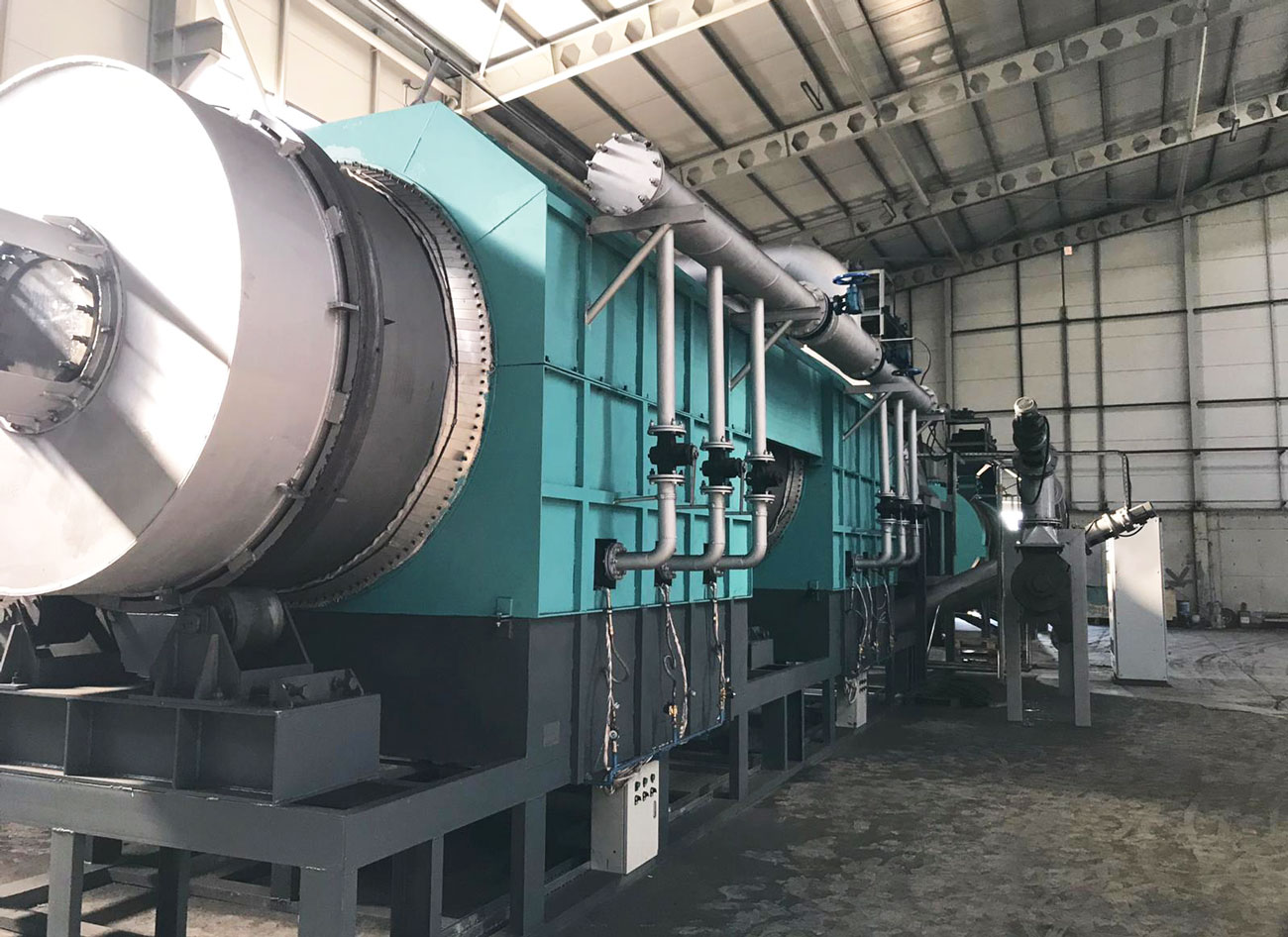
Install BST-10 Palm Kernel Shell Charcoal Machine in Indonesia

Environmental Impact and Sustainability

The environmental benefits of producing charcoal from palm waste are significant. Palm kernel shells, when left unchecked, can contribute to pollution and deforestation. By utilizing this waste material, the process effectively reduces the environmental burden associated with palm oil production.

The sustainable nature of palm kernel shell charcoal production is enhanced by the fact that it is a form of waste-to-energy technology. Palm kernel shells are often burned inefficiently or left to decompose, releasing harmful greenhouse gases into the atmosphere. However, by converting these shells into charcoal, harmful emissions are significantly reduced. The process itself is designed to capture and store the released gases, which can be used for energy generation, making the process not only carbon-neutral but potentially even carbon-negative when optimized.

Additionally, the high energy efficiency of palm kernel shell charcoal makes it an environmentally preferable option compared to traditional fuels. Its dense carbon content allows it to burn hotter and longer, reducing the need for frequent replenishment and minimizing fuel consumption.

Technological Advancements in Charcoal Production

The development of more efficient charcoal machines has played a pivotal role in enhancing the commercial viability of charcoal production from palm waste. Modern machines are designed to optimize the pyrolysis process, ensuring higher yields and reducing the time required for production. These machines also allow for better control over temperature, pressure, and airflow, which are critical factors in determining the quality of the final charcoal product.

Moreover, automation and smart technologies are increasingly integrated into charcoal machine operations, improving overall efficiency and reducing labor costs. The ability to scale up production using automated systems is particularly beneficial for businesses looking to meet large-scale demand while maintaining high-quality standards. To obtain advanced equipment, please contact Beston Group Co., Ltd.

The future of charcoal production from palm waste will likely see further innovations, such as the use of renewable energy sources to power charcoal machines or the development of biochar applications for soil improvement. These advancements will not only enhance the profitability of the business but also contribute to a more sustainable and environmentally conscious approach to energy production.
The Process of Wood Charcoal Production and Its Industrial Significance

The demand for sustainable and renewable energy sources has grown steadily over the years, and wood charcoal stands out as a key player in this shift. Charcoal is used in various industries, from metallurgy to agriculture, due to its high energy content and environmental benefits. Understanding how wood charcoal is made and the role of the charcoal machine in this production process is essential for grasping its industrial significance.

The Process of Wood Charcoal Production

Wood charcoal is produced through a process known as pyrolysis, which involves the thermal decomposition of wood in the absence of oxygen. The process is carried out using a charcoal machine, which efficiently affects how is wood charcoal made by maintaining specific temperature and pressure conditions.

1. Wood Selection and Preparation

The first step in the charcoal-making process is the selection and preparation of wood. Hardwoods like oak, hickory, and birch are commonly used for charcoal production due to their dense structure and high carbon content. The wood is typically cut into smaller pieces or chunks, making it easier to feed into the charcoal machine. The moisture content of the wood is also reduced to ensure efficient pyrolysis.

2. Pyrolysis: Thermal Decomposition

Once the wood is prepared, it undergoes pyrolysis inside the charcoal machine. Pyrolysis takes place at high temperatures, usually between 400°C and 600°C. During this process, the wood is heated in a controlled environment where oxygen is excluded. The lack of oxygen prevents combustion and instead leads to the breakdown of the organic material into charcoal, volatile gases, and bio-oil.

The charcoal manufacturing plant plays a crucial role in regulating the temperature and ensuring consistent pyrolysis throughout the process. As the temperature rises, the volatile gases are released, leaving behind the solid carbon-rich residue known as charcoal. The efficiency of the charcoal machine determines the quality and yield of the final product.

3. Cooling and Collection of Charcoal

After pyrolysis, the charcoal must be cooled before it can be safely handled and stored. The cooling process is typically done inside the charcoal machine, where the temperature is gradually lowered to prevent the charcoal from igniting when exposed to air. Once cooled, the charcoal is collected, sorted, and packaged for distribution.

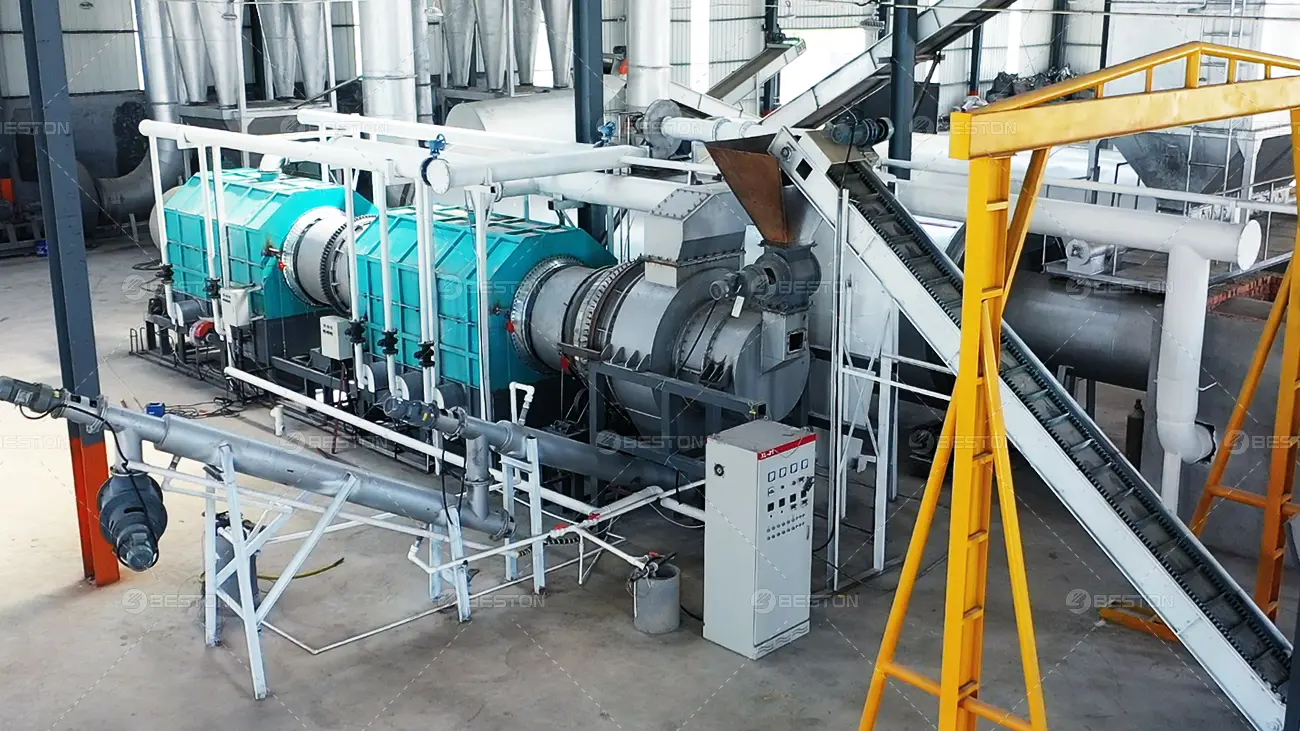
Eco-friendly Wood to Charcoal & Biochar Machine with Advanced Technologies

Industrial Applications of Wood Charcoal

Wood charcoal is a versatile product with numerous applications across various industries. Its high carbon content and slow-burning properties make it an ideal fuel for industrial processes. Additionally, the by-products of charcoal production, such as bio-oil and syngas, can be used for energy generation, adding further value to the process.

1. Metallurgical Industry

One of the primary applications of wood charcoal is in the metallurgical industry, where it is used as a reducing agent in the smelting of metals like iron and copper. Charcoal’s high carbon content makes it effective at reducing metal oxides to their pure metal form, contributing to the production of steel and other alloys. The use of wood charcoal in this industry dates back centuries, and it continues to play a vital role in modern metal production.

2. Agriculture

In agriculture, wood charcoal is utilized as biochar, a soil amendment that improves soil fertility and enhances crop yields. Biochar’s porous structure allows it to retain water and nutrients, making it a valuable tool in sustainable farming practices. Additionally, biochar helps sequester carbon in the soil, contributing to the reduction of greenhouse gas emissions.

3. Energy Generation

Wood charcoal is also used as a renewable energy source in power generation. The volatile gases produced during pyrolysis can be captured and used as a fuel source for heating or electricity generation. In some cases, the syngas generated during charcoal production is used to power the wood pyrolysis plant itself, creating a closed-loop energy system that reduces reliance on external power sources.

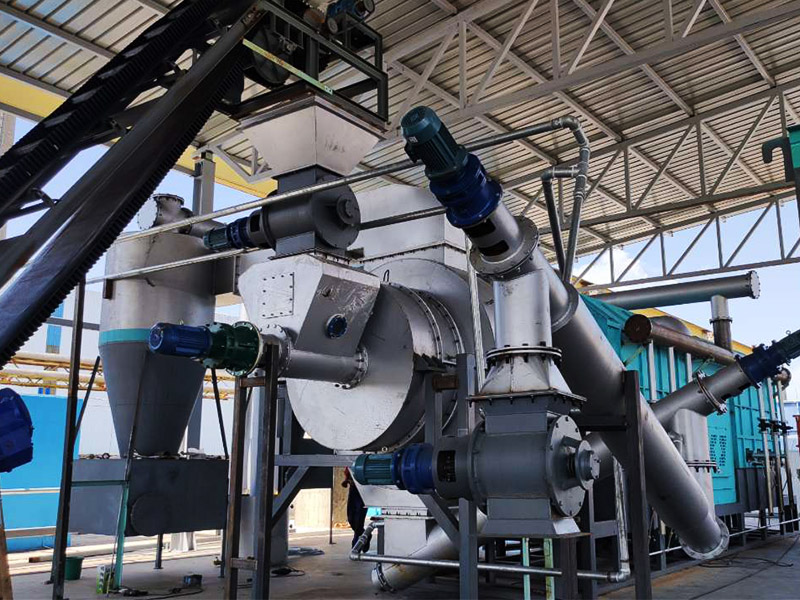
Modern Machine to Make Wood Charcoal

Advantages of Using a Charcoal Machine

The charcoal machine is integral to efficient and sustainable charcoal production. Its ability to control the pyrolysis process ensures a high-quality product while maximizing yield and minimizing waste. Additionally, modern charcoal machines are designed with environmental considerations in mind, reducing the emission of harmful gases and pollutants.

1. Energy Efficiency

Charcoal machines are designed to be energy-efficient, using the by-products of pyrolysis, such as syngas, to fuel the system. This not only reduces the operational costs of the machine but also minimizes the overall environmental impact of charcoal production.

2. Consistent Quality

One of the key benefits of using a charcoal machine is the ability to produce consistent, high-quality charcoal. The machine’s precise temperature and pressure controls ensure that the wood undergoes uniform charcoal making process, resulting in charcoal with uniform carbon content and density.

3. Scalability

Charcoal machines are available in various sizes, making them suitable for both small-scale and large-scale production. This scalability allows businesses to adjust their production capacity based on market demand and resource availability.

Conclusion

The process of making wood charcoal is a complex but highly valuable one, with significant industrial applications. From metal production to agriculture, wood charcoal plays an essential role in numerous industries. The charcoal machine is at the heart of this process, ensuring efficiency, quality, and sustainability in production. As global demand for renewable energy and sustainable practices continues to rise, the role of wood charcoal and its production methods will remain vital in supporting various industries.

Feasibility of a Palm Plantation Waste Recycling Business Plan

In recent years, PKS (Palm Kernel Shells) and EFB (Empty Fruit Bunches) have emerged as valuable resources in the realm of sustainable business ventures. The exponential growth of the palm oil industry has consequently led to an abundance of these waste materials, offering a promising avenue for entrepreneurs to explore. However, before delving into the intricacies of establishing a charcoal making machine enterprise, it is imperative to assess the feasibility of such a venture comprehensively.

Plantation Waste Recycling Business Plan

Understanding the Raw Materials

PKS and EFB are byproducts of palm oil extraction, typically discarded or underutilized. However, their potential extends far beyond mere waste. PKS, for instance, possesses high calorific value and low moisture content, rendering it an ideal feedstock for energy production. On the other hand, EFB exhibits excellent fibrous properties, making it suitable for various applications, including mulching and composting.

Market Dynamics and Demand Analysis

Before investing in a charcoal machine, it is essential to gauge the market demand for PKS and EFB derived products. The increasing global emphasis on sustainable practices and renewable energy sources has significantly bolstered the demand for biomass-based fuels and organic fertilizers. Moreover, the versatility of PKS and EFB makes them attractive commodities in industries ranging from agriculture to energy generation.

Technological Advancements in Charcoal Production

The advent of advanced charcoal making machines has revolutionized the process of converting biomass waste into value-added products. These machines utilize pyrolysis, a thermal decomposition process, to transform PKS and EFB into high-quality charcoal efficiently. The charcoal machine price varies depending on capacity, automation level, and additional features. However, the long-term benefits outweigh the initial investment, considering the potential revenue streams generated from the sale of charcoal and other byproducts.

Environmental and Regulatory Considerations

One cannot overlook the environmental implications associated with palm plantation waste recycling. While PKS and EFB utilization reduces the carbon footprint by diverting organic waste from landfills, it is essential to adhere to stringent environmental regulations. Proper waste management practices and sustainable harvesting techniques are paramount to mitigate adverse environmental impacts and ensure long-term viability.

Economic Viability and Financial Projections

Conducting a thorough cost-benefit analysis is crucial in determining the economic feasibility of a palm kernel shell charcoal making machine business. Factors such as raw material procurement costs, equipment expenses, operational overheads, and market fluctuations must be meticulously evaluated. Additionally, forecasting revenue streams from charcoal sales, byproduct utilization, and potential government incentives are integral to developing realistic financial projections.

Risk Assessment and Mitigation Strategies

Like any entrepreneurial endeavor, venturing into palm plantation waste recycling entails inherent risks. Fluctuations in raw material prices, regulatory changes, technological obsolescence, and market saturation pose significant challenges to business sustainability. Implementing robust risk management strategies, such as diversifying product offerings, securing long-term supply contracts, and staying abreast of industry trends, can help mitigate these risks effectively.

Collaborative Opportunities and Partnerships

Building strategic partnerships with stakeholders across the value chain can amplify the success of a charcoal making machine business. Collaborating with palm oil producers for consistent PKS and EFB supply, engaging with research institutions for technological innovation, and forging alliances with distributors for market penetration are avenues worth exploring. Furthermore, leveraging government initiatives and industry associations can provide access to funding opportunities and regulatory support. If you want to seek a more professional palm plantation waste recycling solution, please visit: https://bestonasia.com/

Install BST-10 Palm Kernel Shell Charcoal Machine in Indonesia

Conclusion

In conclusion, the feasibility of a palm plantation waste recycling business plan hinges on a multifaceted evaluation encompassing market dynamics, technological advancements, regulatory compliance, financial viability, risk assessment, and collaborative partnerships. While challenges abound, the burgeoning demand for sustainable solutions coupled with advancements in charcoal making machine technology present a compelling opportunity for entrepreneurs to capitalize on PKS and EFB resources. With meticulous planning, strategic foresight, and a commitment to environmental stewardship, the prospects of success in this burgeoning industry are indeed promising.

Transforming Biomass into Carbon Negative Solutions: The Role of Charcoal Making

In the face of escalating climate change concerns, the imperative to mitigate carbon emissions and pursue carbon-negative solutions has never been more pressing. In this discourse, we delve into the transformative potential of charcoal making from biomass as a means to achieve carbon negativity. From its historical roots to its contemporary applications, charcoal making stands as a beacon of hope in the quest for sustainable carbon management by charcoal making equipment.

Charcoal Making

Understanding Charcoal Making

Charcoal making is an age-old process that involves the conversion of biomass, such as wood, agricultural residues, or organic waste, into charcoal through pyrolysis – the thermal decomposition of organic material in the absence of oxygen. This process yields biochar, a stable form of carbon that can persist in soils for centuries, effectively sequestering carbon dioxide from the atmosphere.

Historical Significance

The history of charcoal making dates back millennia, with evidence of its use found in ancient civilizations across the globe. From the charcoal pits of prehistoric Europe to the kilns of ancient China, humans have long recognized the value of charcoal for fuel, metallurgy, and agriculture. The legacy of charcoal making as a sustainable practice echoes through the annals of history, serving as a testament to humanity’s ingenuity in harnessing nature’s resources.

Contemporary Applications

In modern times, charcoal making has transcended its traditional uses to emerge as a versatile tool for carbon management and environmental restoration. Some key contemporary applications include:

Soil Amendment: Biochar enhances soil fertility, water retention, and nutrient cycling, thereby improving agricultural productivity and resilience to climate change.

Carbon Sequestration: By locking carbon dioxide in a stable form, biochar mitigates greenhouse gas emissions and contributes to global efforts to combat climate change.

Waste Valorization: Charcoal making offers a sustainable solution for managing organic waste streams, such as agricultural residues, forestry by-products, and urban biomass.

Renewable Energy: Charcoal and syngas produced during pyrolysis can be utilized as clean-burning fuels for cooking, heating, and electricity generation, reducing reliance on fossil fuels.

Ecosystem Restoration: Biochar-amended soils promote revegetation, soil regeneration, and biodiversity conservation in degraded ecosystems, such as forests, wetlands, and grasslands. This mobile biochar unit is easy for moving. Many investors choose it.

wood charcoal

wood charcoal

Benefits of Charcoal Making for Carbon Negativity

The adoption of charcoal making for carbon negativity offers a myriad of benefits across environmental, social, and economic dimensions:

Carbon Sequestration: Biochar sequesters carbon dioxide in soils, effectively removing it from the atmosphere and mitigating climate change impacts.

Soil Health: Biochar improves soil structure, fertility, and microbial activity, enhancing agricultural productivity and resilience to drought, erosion, and nutrient depletion.

Waste Management: Charcoal making provides a sustainable solution for managing organic waste streams, reducing landfill emissions, and promoting circular economy principles.

Climate Resilience: By enhancing soil moisture retention and nutrient availability, biochar-amended soils bolster crop resilience to extreme weather events, such as droughts and floods.

Economic Opportunities: Charcoal production creates jobs, stimulates rural development, and generates revenue streams from carbon credits, ecosystem services, and value-added products.

Challenges and Considerations

Despite its potential, charcoal making for carbon negativity faces certain challenges and considerations:

Technological Barriers: Scaling up charcoal production while ensuring efficiency, affordability, and environmental sustainability requires advances in pyrolysis technology, process optimization, and emission control.

Feedstock Availability: The sustainable sourcing of biomass feedstocks for charcoal making necessitates careful consideration of land use, biodiversity, and competition with food and feed production.

Market Development: The establishment of markets and incentives for biochar products, carbon credits, and ecosystem services is crucial for incentivizing investment in charcoal making and scaling up adoption.

Policy and Governance: Effective policies, regulations, and governance frameworks are needed to support the sustainable production, trade, and utilization of biochar while safeguarding environmental and social safeguards.

Future Directions and Innovations

Looking ahead, several avenues for innovation and collaboration hold promise for advancing charcoal making as a carbon-negative solution:

Technological Innovation: Research and development efforts should focus on improving pyrolysis technologies, such as gasification, torrefaction, and hydrothermal carbonization, to enhance efficiency, scalability, and environmental performance.

Integrated Approaches: Integrating charcoal making with other carbon-negative solutions, such as afforestation, bioenergy with carbon capture and storage (BECCS), and soil carbon sequestration, can maximize synergies and co-benefits.

Sustainable Supply Chains: Promoting sustainable biomass production, harvesting, and management practices can ensure the long-term viability of charcoal making while safeguarding ecosystems and livelihoods.

Knowledge Sharing and Capacity Building: Collaboration among researchers, policymakers, practitioners, and communities is essential for sharing knowledge, building capacity, and fostering innovation in charcoal making for carbon negativity. The wood charcoal manufacturing machine is efficient for making charcoal.

Conclusion

Charcoal making from biomass holds immense promise as a pathway to achieving carbon negativity and advancing sustainable development goals. By sequestering carbon dioxide, enhancing soil fertility, and promoting circular economy principles, charcoal making offers a holistic solution to the intertwined challenges of climate change, food security, and waste management. However, realizing this potential requires concerted efforts from stakeholders across sectors to overcome technological, economic, and policy barriers and unlock the transformative power of charcoal making for a resilient and regenerative future.

Solving the Waste Wood Crisis, One Machine at a Time

The world is currently facing a waste wood crisis of unprecedented proportions. As tons of wood waste accumulate in landfills, it not only poses environmental challenges but also represents a massive untapped resource. Fortunately, innovative technology is on the horizon, promising to transform this crisis into an opportunity. Wood into charcoal machines are paving the way for a sustainable, eco-friendly solution to manage waste wood and produce valuable charcoal.

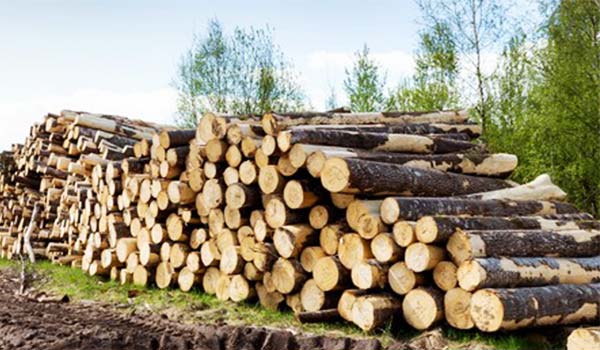
Wood

The Looming Crisis

As the global population grows, so does the demand for wood products. Construction, furniture, and paper industries are voracious consumers of wood. However, this insatiable demand results in an enormous amount of wood waste that is often destined for landfills. This trend has alarming environmental consequences, including:

  • Deforestation: The overharvesting of trees to meet the demand for wood products leads to deforestation, causing habitat destruction and loss of biodiversity.
  • Landfill Overflow: Wood waste comprises a significant portion of municipal solid waste, exacerbating landfill space shortages.
  • Methane Emissions: The decomposition of wood in landfills generates methane, a potent greenhouse gas, contributing to climate change.

Innovative Wood into Charcoal Technology

To address these pressing issues, wood charcoal making machine technology has emerged as a groundbreaking solution. It harnesses the potential of waste wood by converting it into high-quality charcoal through a process called pyrolysis. In pyrolysis, wood is heated in a low-oxygen environment, breaking down the material and transforming it into charcoal, biochar, and other valuable byproducts.

The benefits of this technology are multi-fold:

  • Waste Diversion: Wood waste that would otherwise end up in landfills is efficiently diverted and converted into valuable resources.
  • Carbon Sequestration: Biochar, a byproduct of the pyrolysis process, can sequester carbon in the soil, contributing to carbon neutrality.
  • Renewable Energy: Charcoal produced through pyrolysis can serve as a sustainable and eco-friendly source of energy for various applications.
wood charcoal

wood charcoal

How Wood into Charcoal Machines Work

Wood into charcoal machines, also known as charcoal making machine, are at the heart of this transformative process. These machines are designed to efficiently convert waste wood into valuable charcoal. Here’s how they work:

  1. Feeding and Preprocessing: The wood waste is fed into the machine, where it undergoes preprocessing to remove contaminants like nails and other non-wood materials.
  2. Pyrolysis Chamber: The prepared wood is then placed in a pyrolysis chamber, which is heated to a specific temperature in a controlled environment. The absence of oxygen prevents combustion and facilitates the conversion of wood into charcoal.
  3. Condensation and Collection: Gases released during pyrolysis are condensed and collected for further processing or energy generation. The end product, charcoal, is also collected.
  4. Cooling and Packaging: The freshly produced charcoal is cooled and packaged for various applications, including fuel, filtration, and even art materials.

The Environmental and Economic Benefits

Embracing wood into charcoal technology comes with an array of environmental and economic advantages:

  • Waste Reduction: Significant quantities of wood waste are diverted from landfills, alleviating the burden on waste management infrastructure.
  • Energy Efficiency: The process of pyrolysis generates energy, which can be harnessed to power the machine, making the process more energy-efficient.
  • Carbon Neutral: The use of charcoal produced through pyrolysis can be carbon-neutral, as it prevents the release of additional CO2 into the atmosphere.
  • Renewable Energy: The charcoal produced from biochar machine can serve as a sustainable source of energy for industrial and residential applications.
  • Economic Opportunities: Wood into charcoal technology opens up new economic avenues, from waste management services to the production and sale of charcoal and biochar.

Applications of Wood into Charcoal

The versatility of charcoal produced through wood into charcoal technology extends to a range of applications:

  • Cooking Fuel: Charcoal is an ideal fuel for cooking, as it burns cleanly and efficiently.
  • Heating: It can be used for heating in residential and industrial settings.
  • Industrial Processes: Charcoal is essential in various industrial processes, such as metal smelting.
  • Agriculture: Biochar produced during the pyrolysis process can enhance soil quality and crop yields.
  • Filtration: Activated charcoal, derived from the same process, is used for air and water purification.
Biochar As Renewable Energy

Biochar As Renewable Energy

Joining the Wood into Charcoal Revolution

The time to act is now. By embracing wood into charcoal technology, we can turn the tide on the waste wood crisis, reduce the environmental impact, and unlock the potential of a valuable resource. Here’s how you can contribute to this revolution:

  1. Support Research and Development: Invest in research and development initiatives that aim to improve and expand the applications of wood into charcoal technology.
  2. Promote Sustainable Practices: Advocate for sustainable forestry practices and the responsible use of wood products.
  3. Choose Charcoal Wisely: Opt for charcoal products produced through pyrolysis, as they have a lower environmental impact compared to conventional charcoal.
  4. Explore Entrepreneurship: Consider venturing into the wood into charcoal industry, either by operating a biochar pyrolysis equipment or developing innovative charcoal products.

In conclusion, the wood into charcoal revolution offers a sustainable solution to the waste wood crisis. By reimagining waste wood as a valuable resource, we can simultaneously address environmental challenges and harness the potential of a renewable energy source. Embracing this technology is not just a step forward; it’s a leap towards a more sustainable and eco-friendly future. The time to act is now, and the wood into charcoal revolution is leading the way.

Biochar Equipment for Greenhouse Gas Reduction and Sustainable Development

Amidst the growing concerns of climate change and the urgent need to mitigate greenhouse gas (GHG) emissions, innovative technologies are emerging as powerful allies in the battle against global warming. One such technology that holds immense potential is biochar equipment. By converting organic waste into a highly stable carbon-rich product called biochar, this equipment offers a sustainable solution for reducing GHG emissions and promoting environmental stewardship. Let’s explore how biochar equipment contributes to the fight against climate change.

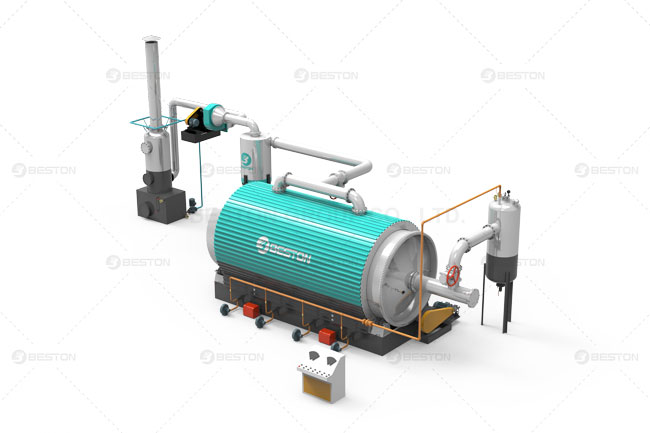
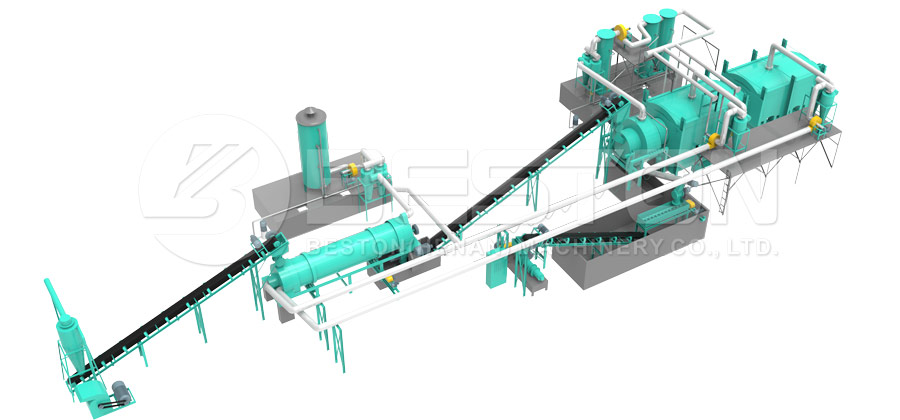
Beston Batch Biochar Production Equipment for Sale - 3D Demonstration

Benefits of Greenhouse Gas Reduction and Sustainable Development

Carbon Sequestration: Biochar equipment plays a pivotal role in carbon sequestration. It converts biomass, such as agricultural residues, forestry waste, or purpose-grown plants, into biochar through a process called pyrolysis. Biochar, when applied to soil, acts as a long-term carbon sink, locking away carbon dioxide (CO2) for hundreds or even thousands of years. This sequestration mechanism effectively reduces the net release of CO2 into the atmosphere, mitigating its impact on global warming.

Soil Health Improvement: Apart from its carbon sequestration benefits, biochar significantly enhances soil health. When integrated into agricultural soils, biochar improves water retention, nutrient availability, and microbial activity, fostering healthier plant growth and increased crop yields. These improvements reduce the need for synthetic fertilizers and pesticides, thereby decreasing the associated GHG emissions from their production and use.

Methane and Nitrous Oxide Reduction: Coconut charcoal making machine indirectly leads to a reduction in potent GHGs like methane (CH4) and nitrous oxide (N2O). By enhancing soil conditions and reducing nutrient leaching, biochar promotes a more efficient uptake of nitrogen by plants. This results in decreased emissions of N2O, a potent greenhouse gas with a warming potential significantly higher than CO2. Furthermore, biochar-amended soils have been shown to reduce methane emissions from flooded rice paddies, another substantial contributor to global GHG emissions.

Waste Diversion and Energy Generation: Biochar equipment contributes to waste management by converting biomass and organic waste streams into valuable biochar. Instead of incinerating or decomposing these materials, which release GHGs, biochar production harnesses their carbon content while simultaneously generating renewable energy through pyrolysis processes. This dual benefit reduces reliance on fossil fuels for energy generation and curtails the release of GHGs associated with traditional waste disposal methods.

Renewable Energy Co-benefit: The pyrolysis process used in biochar equipment not only produces biochar but also generates syngas, a mixture of hydrogen, carbon monoxide, methane, and other combustible gases. This syngas can be captured and utilized as a renewable energy source, reducing reliance on fossil fuels and decreasing GHG emissions associated with traditional energy production.

Sustainable Agriculture Practices: Biochar equipment promotes sustainable agricultural practices by improving soil fertility and reducing the need for synthetic fertilizers. By incorporating biochar into farming systems, farmers can enhance nutrient cycling, reduce water and nutrient runoff, and minimize soil erosion. These practices not only mitigate GHG emissions but also support long-term soil health and resilience.

Waste Valorization and Circular Economy: Palm kernel shell charcoal making machine enables the conversion of various organic waste materials into a valuable resource. Agricultural residues, forestry byproducts, and even certain types of municipal solid waste can be transformed into biochar, diverting them from landfills or incineration facilities. By embracing a circular economy approach, biochar equipment helps close the waste loop and reduces the release of GHGs associated with waste decomposition.

Potential Carbon Offsetting Mechanism: The permanent sequestration of carbon in biochar makes it a potential tool for carbon offsetting. Biochar’s stability ensures that the captured carbon remains locked away for long periods, effectively compensating for carbon emissions elsewhere. This opens up possibilities for developing carbon markets and incentivizing the adoption of biochar equipment as a means of GHG mitigation.

Conclusion

Biochar equipment emerges as a promising technology that aids in the reduction of greenhouse gases while fostering sustainable development. Through carbon sequestration, soil health improvement, and mitigation of methane and nitrous oxide emissions, it offers an effective tool to combat climate change. Moreover, by diverting organic waste from landfills and contributing to renewable energy production, biochar equipment promotes a circular economy and aligns with the principles of environmental stewardship. As we continue to explore innovative solutions, harnessing biochar equipment could pave the way towards a greener and more sustainable future.

How to Get a Suitable Shisha Charcoal Making Machine to do Shisha Charcoal Business

If you’re thinking about starting a shisha charcoal business, investing in a high-quality shisha charcoal making machine is essential. A reliable machine will help you produce high-quality shisha charcoal efficiently and effectively. However, with so many different models and manufacturers to choose from, it can be challenging to know which machine to purchase. In this article, we’ll provide you with some tips on how to choose a suitable shisha charcoal making machine.

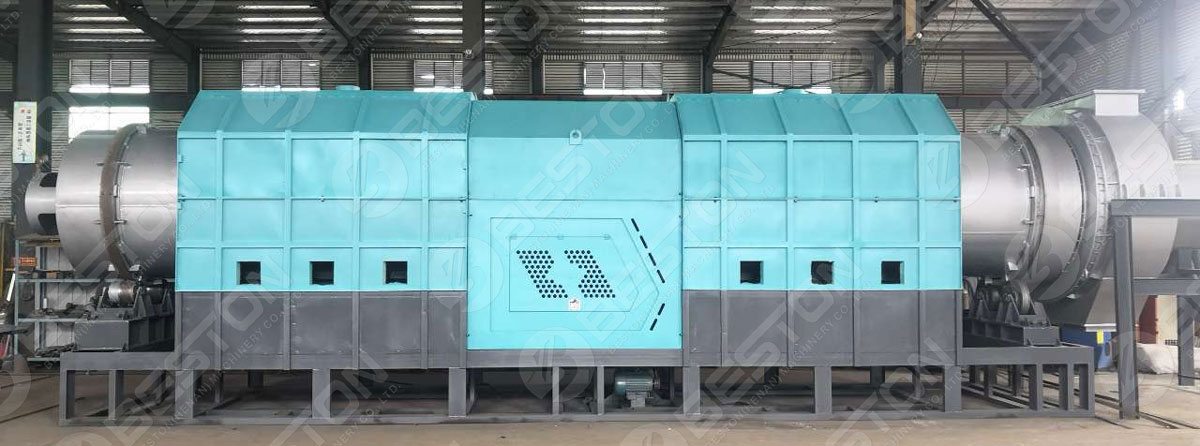
High-quality Beston Shisha Charcoal Making Machine

High-quality Beston Shisha Charcoal Making Machine

Consider the Production Capacity
When it comes to purchasing a shisha charcoal making machine, production capacity is one of the most critical factors to consider. Your machine’s capacity will determine how much shisha charcoal you can produce in a given amount of time. The production capacity of shisha charcoal machines can vary greatly, from as little as a few kilograms per hour to several hundred kilograms per hour. Therefore, it’s essential to determine your production needs before making a purchase.

Quality and Durability
Another important factor to consider is the quality and durability of the machine. Look for a shisha charcoal making machine that is built to last, with high-quality components and materials. A durable machine will help you avoid costly repairs and replacements down the line. Additionally, a reliable machine will ensure consistent and high-quality shisha charcoal production. Investors contact this biochar machine manufacturer – Beston Group to get the suitable machine.

Shisha Hookah Charcoal Making Machine for Sale

Shisha Hookah Charcoal Making Machine for Sale

Ease of Use
A shisha charcoal making machine should be easy to operate, with clear instructions and minimal maintenance requirements. Make sure to choose a machine that you and your team can quickly learn to use and maintain. If the machine is too complicated, it may lead to frustration and decreased productivity.

Price
Price is another crucial factor to consider when purchasing a shisha charcoal making machine. The cost of the machine will depend on its capacity, quality, and features. Determine your budget before shopping around, and look for machines that offer the best value for your money. Keep in mind that a lower-priced machine may not be the best long-term investment if it requires frequent repairs and maintenance. View the https://bestonmachinery.com/biomass-charcoal-making-machine/.

Manufacturer Reputation
Finally, it’s essential to choose a shisha charcoal making machine from a reputable manufacturer. Look for manufacturers with a proven track record of producing high-quality, durable machines. Read reviews and ask for recommendations from other shisha charcoal business owners to ensure you’re making a wise investment.

In conclusion, investing in a shisha charcoal making machine is essential for a successful shisha charcoal business. When shopping for a machine, consider the production capacity, quality and durability, ease of use, price, and manufacturer reputation. With these factors in mind, you’ll be able to choose a suitable machine that meets your business’s needs and budget.

The Many Uses Of A Good Wood Pellet Making Machine

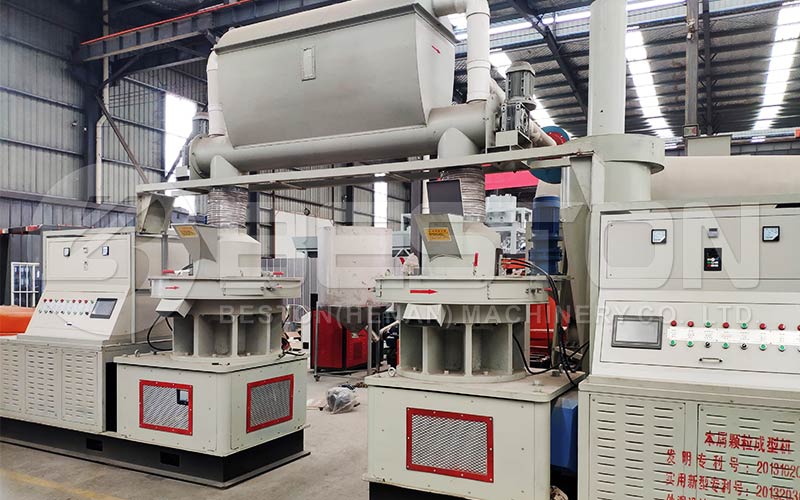
The conversion of organic waste material into wood pellets can be achieved if you have the right machinery. There are several businesses that do produce many different types of wood pellet making machines, some of which you can obtain for a very low price. The process itself is relatively simple. You will put in wood based organic waste and the machine will create the pellets for you. Everything is forced through die holes at high speeds, and the pellets will solidify into materials that you can use. Here is an overview of how you can find the best wood pellet machine on the planet.

Wood Pellet Making Machine For Sale

Wood Pellet Making Machine For Sale

Understanding The Entire Process

The size of these machines will not determine how they are able to produce these materials. The process will be the same regardless of their size. Although you may have larger apparatuses that can produce large amounts of pellets, the pellet production process is always the same. You will likely have a storage unit that will contain all of the materials that will deliver everything three forced feeder. This is powered by motor that will have variable speeds, and is typically connected with a serpentine steel flex coupling that will allow everything to flow in. Although there are many moving parts, the most important component are the circular die holes which can be either flat or donut-shaped. As the pellet machine for sale rotates, the material is forced through these openings, leading to the production of the pellets.

How To Find Companies That Are Selling Them

Industrial equipment is most easily found on websites that showcase this type of biomass pellets making machine. Consider the size of the units, what the output will be, and what the overall cost will likely be once it is shipped to you. There are other factors to consider including how much power is used, with the capacity will be, and the diameter of the die itself. Finally, look at the conveyor belt system, the host size, and what type of dust removal system is incorporated to make sure it conforms with local safety requirements. After assessing all of these businesses which can be found online, you can then request estimates from them.

wood pellets

wood pellets

What Type Of Materials Can You Use With These Machines?

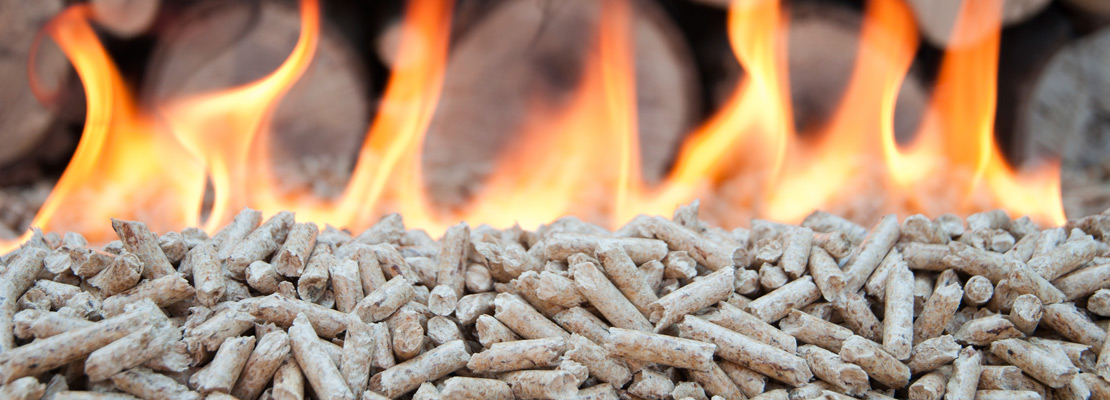
There are so many different raw materials that you can use of these machines. This will include tree bark, peanut shells, sawdust, and even straw. You will want to break down this material into an almost powdery substance that will be submitted into the machinery. What comes out will be pellets that will work perfectly as a burnable fuel that can be used with pellet burning machines that are produced. Companies that make these machines will also likely have options for a wood pellet making machine that you can use.

These simple strategies will eventually guide you to the best sawdust pellet machine available for producing wood pellets. Consider all of the factors and try to get the lowest possible price. This may take some time, but your research will inevitably lead to a business that will have the exact pellet making machine that you need that converts wood based materials into pellets.

How To Get The Lowest Charcoal Making Machine Price

Purchasing a charcoal making machine doesn’t have to be an ordeal. You can find good prices on if you know where to search. If you do have a distribution site in your area that provides charcoal making machines, you should be able to obtain one for a low price. However, it may require you to search out of your area. Some of these companies are operating at locations worldwide. This will allow you to save money and get access to the very best charcoal making machine price that is currently on the market today. The following information will make it easy to get low prices on one of these machines.

Charcoal Making Machine

Charcoal Making Machine

Why Would You Need One

It might be advantageous to get one if you have not used one before. For example, if you have any type of sawdust, organic material from sludge, or even rice husks, you can convert all of this into charcoal if you want. The machines must be configured to properly process that particular type of material, and they also come in many different sizes. You can get entire charcoal production plants that are much more expensive, which simply use one of the low cost rice hull carbonizer that is currently on the market. Overall, the purpose is to process the waste material that you have from harvesting, or production of lumber products, so that you can benefit from the creation of the charcoal monetarily. You may also want to use the charcoal for your own business to operate machinery as a secondary power source.

How To Assess Businesses That Make Them

The businesses that produce these are becoming more common. Part of the reason has to do with the expanding economy. There are more companies today producing materials, and as a result of that, more waste products need to be either eliminated or converted into a material like charcoal. You also have the added benefit of the liquid materials that can be used with different machines. For instance, you can produce liquid fuel, or even oil, through this process. As a secondary benefit, you can sell this on the market to other people that would be interested in biofuel or bio oil. More information on sawdust charcoal making machine here.

BST-30 Charcoal Making Machine To Russia

BST-30 Charcoal Making Machine To Russia

How To Get The Right One

The best ones tend to come from businesses that are well known for making these products. They may have everything from the smallest machines to large plants that can produce thousands of tons every month of this material. From charcoal to biofuel, you will never run out of these materials that will simply be the result of converting your waste products into these types of fuel. To get the right one, it’s a combination of choosing one that’s fast at producing these materials and also is large enough to handle the volume of waste products that you are converting. It should also come from a business that is known for specializing in this industry. You may have to go to a country like China to get some of the best units.

If you don’t have any time to get rid of waste materials at your facility, or if you do not want to work the products back into the soil for fertilizer, converting all of this into charcoal might be a better choice. To get the lowest charcoal making machine price on the market, you will have to request several different estimates from different companies. Eventually, you will get access to the lowest possible charcoal making machine price on the market helping you to save money and also convert waste materials into something that you can use or sell. Want to know more, get information on Beston (Henan) Machinery Co. ltd.

Uses of the Sawdust Charcoal Machine

Sawdust, otherwise known as wood shavings, is the most common by-product or waste product of woodworking operations mainly sanding, milling, sawing, planing, and routing. However, through proper recycling, the value of this waste material can be increased significantly. One of the best ways to do this is by turning sawdust into sawdust charcoal. This is where the sawdust charcoal making machine comes in. This piece of equipment makes sawdust charcoal through carbonization or heating the sawdust under high temperatures in an oxygen-free atmosphere. Despite the term “sawdust” in the name, this piece of equipment can be used to process all kinds of biomass including coconut shells, palm shells, rice husks, and even sewage sludge and municipal solid waste.

Besides sawdust charcoal, the process also leads to the production of other useful by-products such as biogas, tar, and vinegar as we’ll see later on. The benefits of investing in sawdust charcoal making machine can’t be overlooked. There is a lot to gain from this piece of equipment. But first, if you are considering investing in this machine, you might be wondering how exactly does it work and what are some of the applications of its end products. Well, this article aims at answering just that.

Sawdust Charcoal Making Machine Shipped to Malaysia

Sawdust Charcoal Making Machine Shipped to Malaysia

The Sawdust Charcoal Making Process

The process of making charcoal from sawdust typically takes 15-20 minutes. First, it is important to note that the raw materials fed into the machine should be less than 50mm and should contain less than 20% moisture. So, a special shredder is utilized to crush the sawdust or other kinds of biomass to meet this requirement. These materials are then sent into the drying system by the quantitative feeder. Get the charcoal making machine for sale.

Once the drying process is complete, the dry sawdust moves into the carbonization furnace. Once the temperature reaches about 350 degrees celsius the sawdust charcoal is generated and sent to the cooling system where it is then discharged.

Keep in mind that throughout the carbonization process, the production of combustible gas will be going on. This gas will be passed through the cyclone dust remover and spray washer for cleaning after which it moves on to the condenser. The condenser is responsible for separating and collecting wood vinegar and tar.

The combustible gas is then sent to the carbonization reactor where it is used for heating purposes. Get the coconut charcoal making machine from manufacturers.

Applications of the End Products of the Sawdust Charcoal Machine

i) Sawdust charcoal

The charcoal produced is widely used in daily life as fuel for BBQ, cooking, and heating. It is also commonly used in industries as a source of fuel. In agriculture, the sawdust charcoal is used to improve soil quality through the long-term adsorption of heavy metal pollutants. The charcoal can also be used in making clay construction bricks.

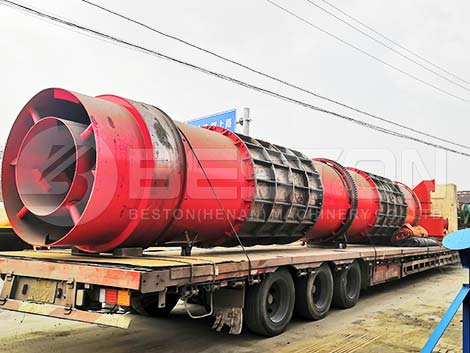
Shipment of Sawdust Charcoal Making Machine - Beston

Shipment of Sawdust Charcoal Making Machine – Beston

ii) Biogas

The uses of biogas are pretty much well known. From being used as a fuel for cooking, greenhouse agriculture heating, to electricity generation. It is also used within the sawdust charcoal making equipment for heating and drying purposes. We recommend this manufacturer for you – Beston Machinery Henan.

iii) Tar and Wood Vinegar

These products are commonly used as raw materials for chemicals and medicinal products. They are also used in the paint and shipbuilding industries.