The Process of Wood Charcoal Production and Its Industrial Significance

The demand for sustainable and renewable energy sources has grown steadily over the years, and wood charcoal stands out as a key player in this shift. Charcoal is used in various industries, from metallurgy to agriculture, due to its high energy content and environmental benefits. Understanding how wood charcoal is made and the role of the charcoal machine in this production process is essential for grasping its industrial significance.

The Process of Wood Charcoal Production

Wood charcoal is produced through a process known as pyrolysis, which involves the thermal decomposition of wood in the absence of oxygen. The process is carried out using a charcoal machine, which efficiently affects how is wood charcoal made by maintaining specific temperature and pressure conditions.

1. Wood Selection and Preparation

The first step in the charcoal-making process is the selection and preparation of wood. Hardwoods like oak, hickory, and birch are commonly used for charcoal production due to their dense structure and high carbon content. The wood is typically cut into smaller pieces or chunks, making it easier to feed into the charcoal machine. The moisture content of the wood is also reduced to ensure efficient pyrolysis.

2. Pyrolysis: Thermal Decomposition

Once the wood is prepared, it undergoes pyrolysis inside the charcoal machine. Pyrolysis takes place at high temperatures, usually between 400°C and 600°C. During this process, the wood is heated in a controlled environment where oxygen is excluded. The lack of oxygen prevents combustion and instead leads to the breakdown of the organic material into charcoal, volatile gases, and bio-oil.

The charcoal manufacturing plant plays a crucial role in regulating the temperature and ensuring consistent pyrolysis throughout the process. As the temperature rises, the volatile gases are released, leaving behind the solid carbon-rich residue known as charcoal. The efficiency of the charcoal machine determines the quality and yield of the final product.

3. Cooling and Collection of Charcoal

After pyrolysis, the charcoal must be cooled before it can be safely handled and stored. The cooling process is typically done inside the charcoal machine, where the temperature is gradually lowered to prevent the charcoal from igniting when exposed to air. Once cooled, the charcoal is collected, sorted, and packaged for distribution.
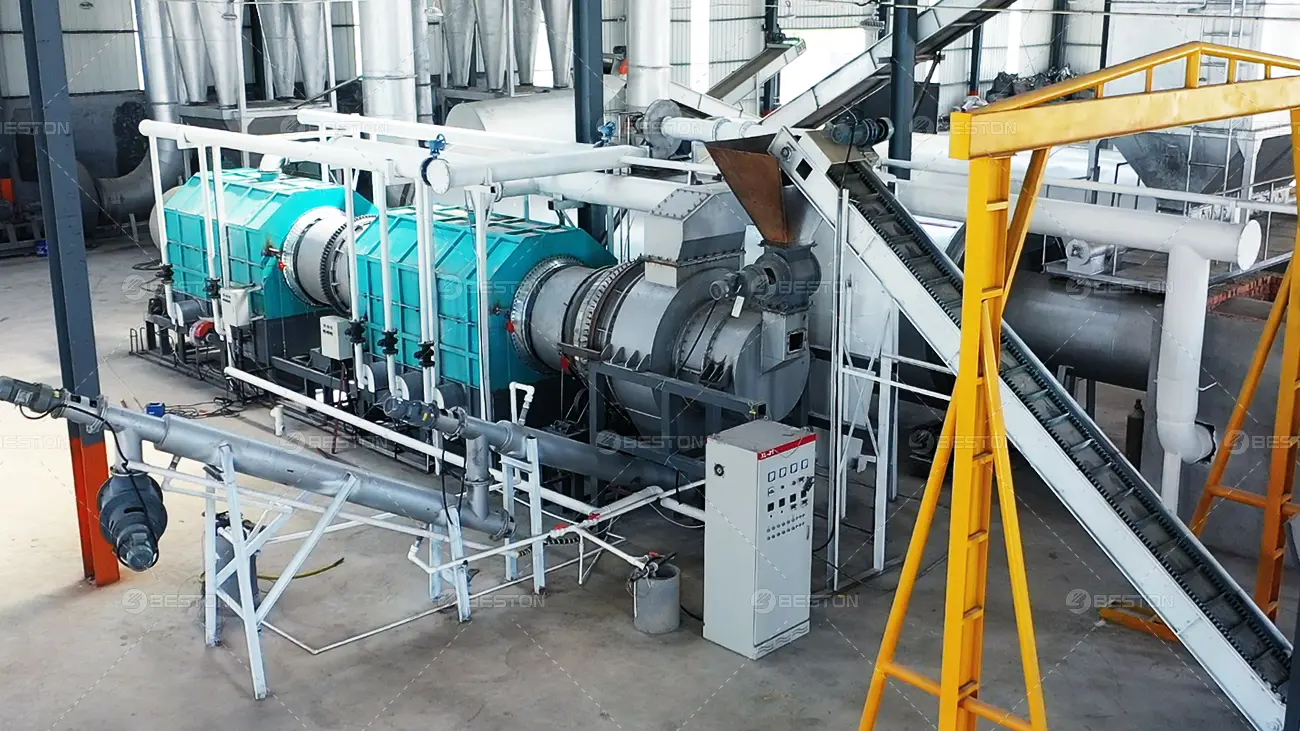
Eco-friendly Wood to Charcoal & Biochar Machine with Advanced Technologies

Industrial Applications of Wood Charcoal

Wood charcoal is a versatile product with numerous applications across various industries. Its high carbon content and slow-burning properties make it an ideal fuel for industrial processes. Additionally, the by-products of charcoal production, such as bio-oil and syngas, can be used for energy generation, adding further value to the process.

1. Metallurgical Industry

One of the primary applications of wood charcoal is in the metallurgical industry, where it is used as a reducing agent in the smelting of metals like iron and copper. Charcoal’s high carbon content makes it effective at reducing metal oxides to their pure metal form, contributing to the production of steel and other alloys. The use of wood charcoal in this industry dates back centuries, and it continues to play a vital role in modern metal production.

2. Agriculture

In agriculture, wood charcoal is utilized as biochar, a soil amendment that improves soil fertility and enhances crop yields. Biochar’s porous structure allows it to retain water and nutrients, making it a valuable tool in sustainable farming practices. Additionally, biochar helps sequester carbon in the soil, contributing to the reduction of greenhouse gas emissions.

3. Energy Generation

Wood charcoal is also used as a renewable energy source in power generation. The volatile gases produced during pyrolysis can be captured and used as a fuel source for heating or electricity generation. In some cases, the syngas generated during charcoal production is used to power the wood pyrolysis plant itself, creating a closed-loop energy system that reduces reliance on external power sources.
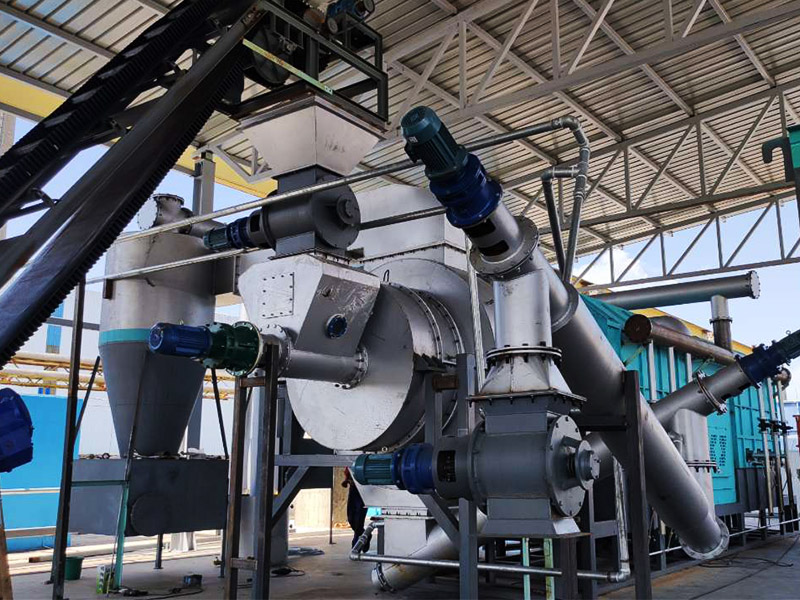
Modern Machine to Make Wood Charcoal

Advantages of Using a Charcoal Machine

The charcoal machine is integral to efficient and sustainable charcoal production. Its ability to control the pyrolysis process ensures a high-quality product while maximizing yield and minimizing waste. Additionally, modern charcoal machines are designed with environmental considerations in mind, reducing the emission of harmful gases and pollutants.

1. Energy Efficiency

Charcoal machines are designed to be energy-efficient, using the by-products of pyrolysis, such as syngas, to fuel the system. This not only reduces the operational costs of the machine but also minimizes the overall environmental impact of charcoal production.

2. Consistent Quality

One of the key benefits of using a charcoal machine is the ability to produce consistent, high-quality charcoal. The machine’s precise temperature and pressure controls ensure that the wood undergoes uniform charcoal making process, resulting in charcoal with uniform carbon content and density.

3. Scalability

Charcoal machines are available in various sizes, making them suitable for both small-scale and large-scale production. This scalability allows businesses to adjust their production capacity based on market demand and resource availability.

Conclusion

The process of making wood charcoal is a complex but highly valuable one, with significant industrial applications. From metal production to agriculture, wood charcoal plays an essential role in numerous industries. The charcoal machine is at the heart of this process, ensuring efficiency, quality, and sustainability in production. As global demand for renewable energy and sustainable practices continues to rise, the role of wood charcoal and its production methods will remain vital in supporting various industries.
Key Criteria for Selecting a Dependable Egg Tray Machine Manufacturer

Choosing a reliable egg tray machine manufacturer is crucial for ensuring the successful operation and longevity of egg tray production. With various manufacturers available, it is essential to evaluate several factors to make an informed decision. This article outlines the essential elements that define a trustworthy manufacturer and highlights the key considerations for selecting the right partner for your egg tray machine needs.

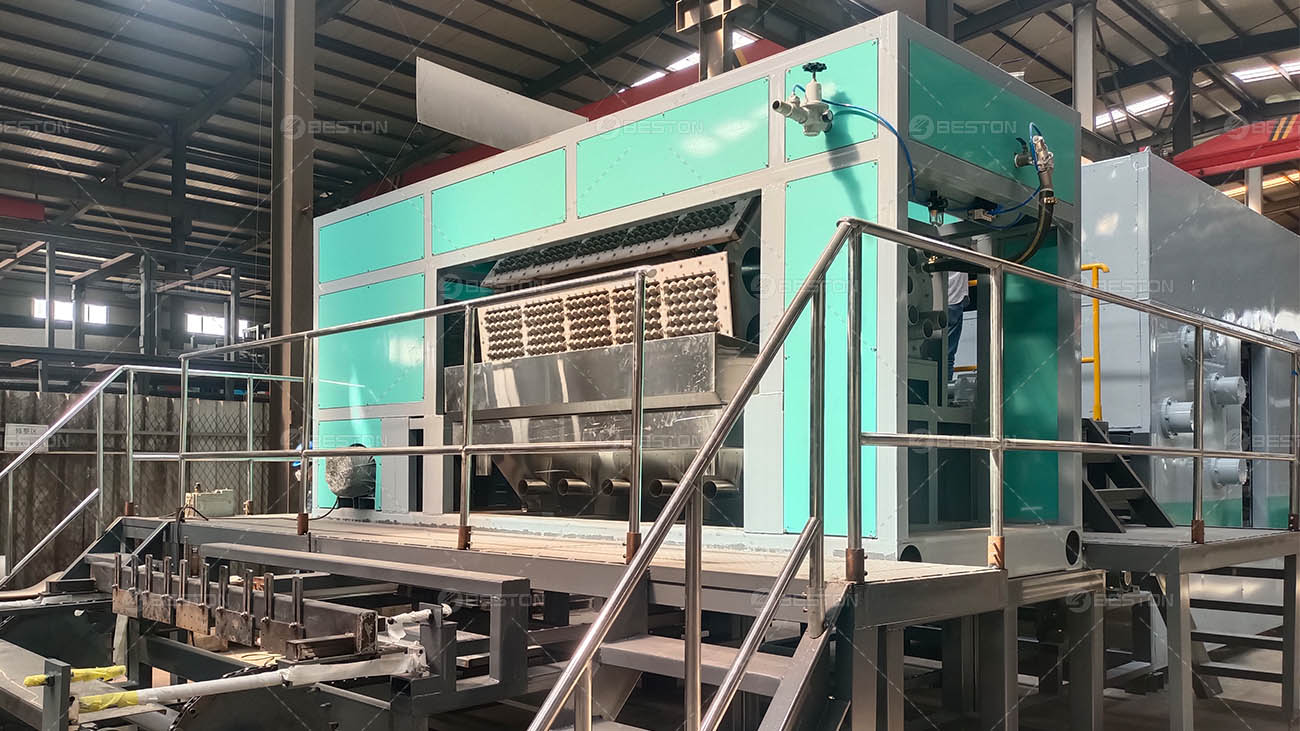
BTF5-8 Egg Tray Making Machine

Proven Expertise and Experience

A reputable egg tray machine manufacturer should have a proven track record in the industry. Experience is a critical indicator of reliability, as it reflects the manufacturer’s ability to handle diverse production requirements and challenges. Established manufacturers often possess in-depth knowledge of the latest technologies and best practices in egg tray production. Look for manufacturers with a history of successful installations and satisfied clients, as this can provide insight into their expertise and operational standards.

Advanced Technology and Innovation

The technology used in egg tray machines significantly impacts their performance and efficiency. A reliable manufacturer should employ advanced technology and incorporate innovative features into their machinery. Modern egg tray machines utilize sophisticated automation, high-precision components, and energy-efficient systems to enhance productivity and reduce operational costs. Evaluate the manufacturer’s commitment to technological advancements and their ability to offer state-of-the-art machinery that meets industry standards.

Quality and Durability

Quality and durability are paramount when selecting an egg tray pulp molding machine. The manufacturer should adhere to stringent quality control measures and use high-grade materials in the construction of their machines. Durability ensures that the equipment can withstand the rigors of continuous operation and provide long-term performance. Review the manufacturer’s quality assurance processes and inquire about the materials and components used in their egg tray machines to ensure they meet high standards.

Customization and Flexibility

Different production environments and requirements may necessitate customized solutions. A dependable egg tray machine manufacturer should offer customization options to tailor the equipment to specific needs. This includes adapting machine specifications, configurations, and features to match production volumes, tray designs, and other factors. Assess the manufacturer’s ability to provide flexible solutions and accommodate bespoke requirements, ensuring that the egg tray machine aligns with your operational goals.

After-Sales Support and Service

Comprehensive after-sales support is a critical factor in maintaining the efficiency and reliability of an egg carton making machine. A reputable manufacturer should offer robust support services, including installation assistance, training, and maintenance. Access to spare parts and technical support is essential for addressing any issues that may arise during operation. Evaluate the manufacturer’s service offerings and their commitment to providing timely and effective support throughout the machine’s lifecycle.

Customer Reviews and References

Customer reviews and references provide valuable insights into the manufacturer’s reputation and the performance of their egg tray machines. Seek feedback from existing clients to understand their experiences with the manufacturer and the equipment. Positive reviews and testimonials can indicate a manufacturer’s reliability and the satisfaction of their customers. Additionally, request references from the manufacturer and follow up with previous clients to gather firsthand information about their experiences.

Compliance with Industry Standards

Compliance with industry standards and regulations is a key aspect of selecting a trustworthy egg tray machine manufacturer. Ensure that the manufacturer adheres to relevant safety, environmental, and quality standards. Compliance demonstrates the manufacturer’s commitment to producing equipment that meets regulatory requirements and operates within established guidelines. Verify the certifications and standards that the manufacturer’s machines adhere to and ensure they align with industry expectations.

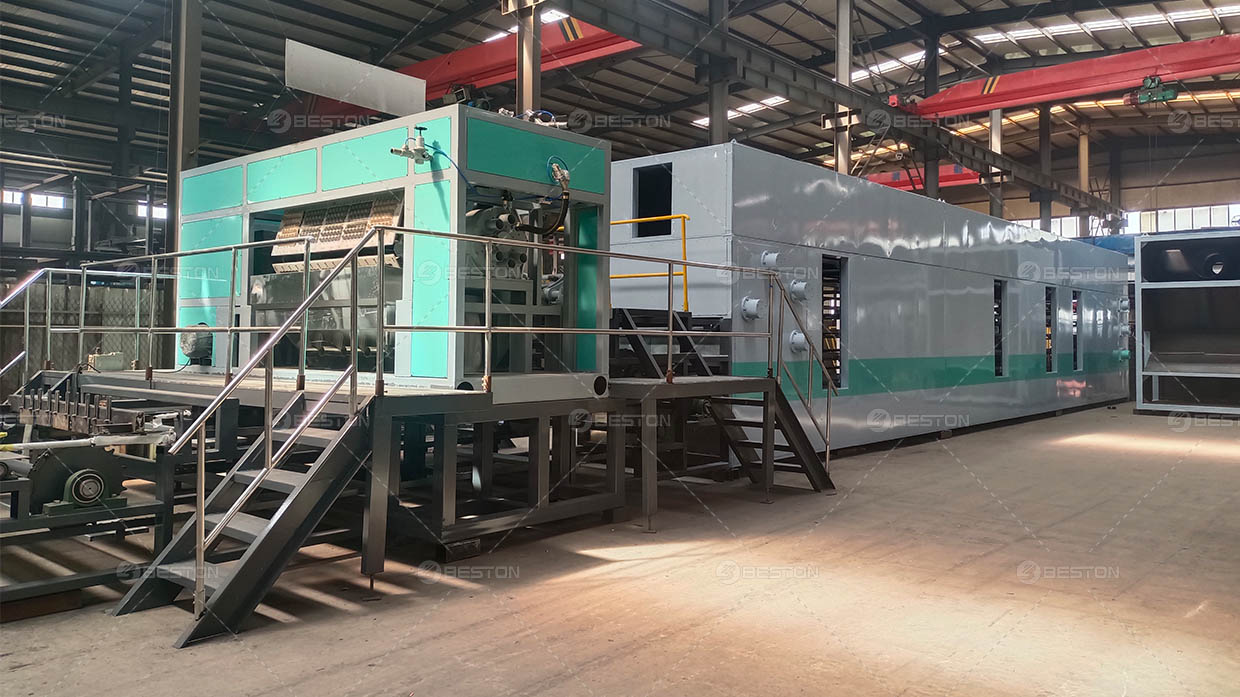
Egg Tray Making Machine Avaliable for Sale

Cost-Effectiveness and Value

While cost is an important consideration, it should be evaluated in conjunction with the overall value offered by the manufacturer. A reliable egg tray machine manufacturer should provide a balance between cost and quality, offering competitive pricing without compromising on performance. Consider the total cost of ownership, including installation, maintenance, and operational expenses, when assessing cost-effectiveness. Aim for a manufacturer that delivers high value through efficient, durable, and well-supported equipment. If you want to get high-quality egg tray machine, please contact Beston Group.

Conclusion

Selecting a dependable egg tray machine manufacturer involves careful consideration of several key factors. Proven expertise, advanced technology, quality, and customization options are essential elements that define a reliable manufacturer. Additionally, robust after-sales support, positive customer reviews, compliance with industry standards, and cost-effectiveness contribute to making an informed decision. By evaluating these criteria, you can ensure that your investment in an egg tray machine aligns with your production needs and delivers long-term value.